
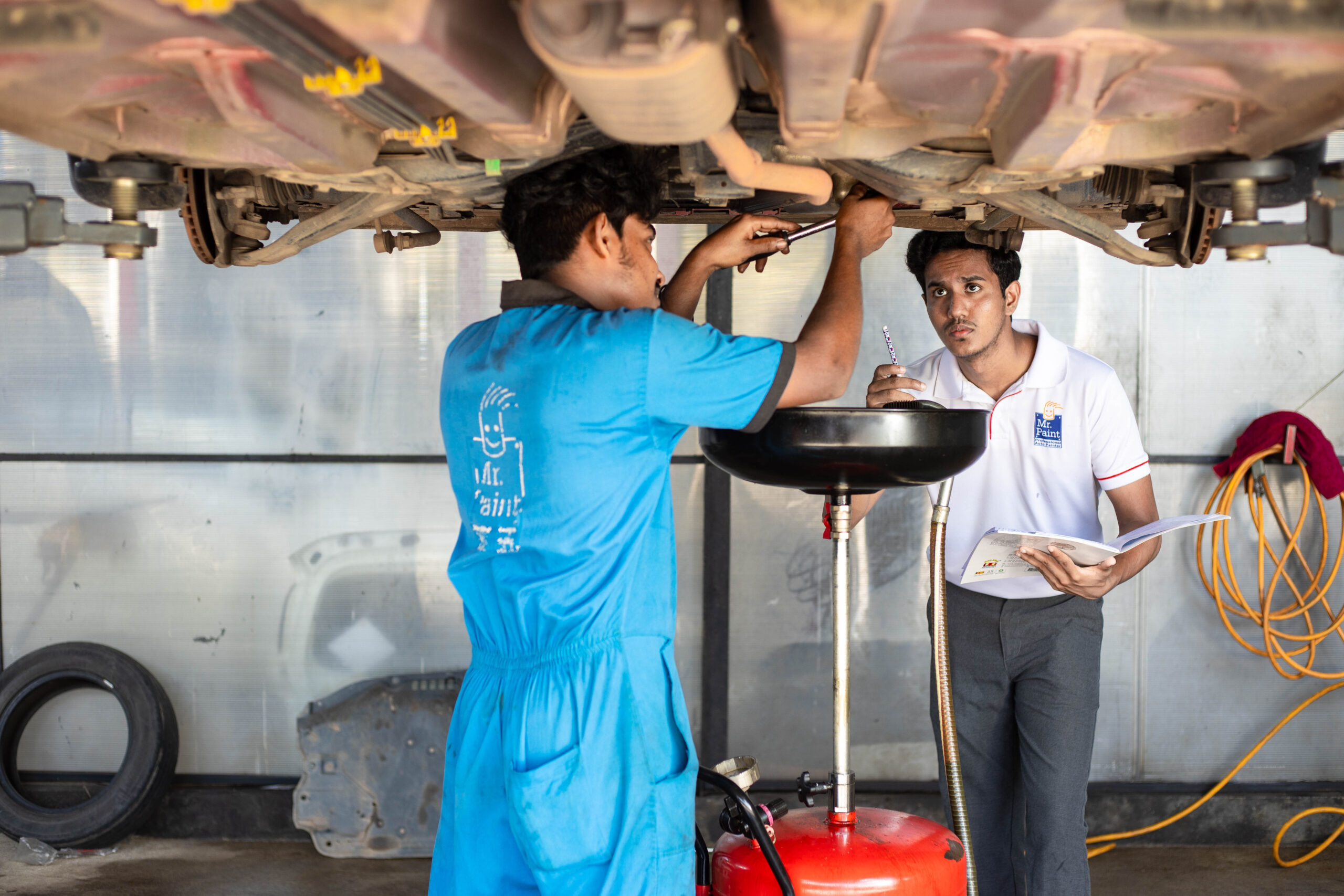
Regular vehicle maintenance is essential to keep your car running smoothly, safely, and efficiently. One of the most common questions car owners ask is what’s included in a full service car. Understanding this helps you know exactly what you’re paying for and why a full service is so important.
In this guide, we’ll explain everything included in a full car service and why it’s a smart investment for your vehicle.
What Is a Full Car Service?
A full car service is a comprehensive inspection and maintenance package that covers your vehicle’s engine, safety systems, fluids, electrical components, and overall performance. Unlike a basic or interim service, a full service checks your car from top to bottom to identify issues early and maintain manufacturer standards.
1. Engine Oil & Oil Filter Replacement
Old engine oil loses its ability to lubricate properly. A full service includes:
- Draining old engine oil
- Replacing the oil filter
- Filling with recommended engine oil
This improves engine performance, fuel efficiency, and longevity.
2. Comprehensive Engine Inspection
Technicians inspect key engine components such as:
- Belts and hoses
- Engine mounts
- Cooling system
- Visible leaks or abnormal noises
Early detection prevents costly repairs later.
3. Fluid Level Check & Top-Up
A full-service car includes checking and topping up:
- Brake fluid
- Coolant
- Power steering fluid
- Transmission fluid
- Windshield washer fluid
Proper fluid levels are critical for safe driving.
4. Brake System Inspection
Brakes are one of the most important safety systems. The service includes:
- Brake pads and discs inspection
- Brake fluid condition check
- Handbrake adjustment
5. Suspension & Steering Inspection
Technicians check:
- Shock absorbers
- Bushings and joints
- Steering rack and linkages
This ensures ride comfort and vehicle stability.
6. Tyres & Wheel Alignment Check
A full car service usually includes:
- Tyre pressure check
- Tyre wear inspection
- Visual wheel alignment check
This helps extend tire life and improves handling.
7. Battery & Electrical System Check
Includes:
- Battery health test
- Charging system inspection
- Lights, indicators, horn, and wiper checks
8. Air Conditioning System Check
The AC system is inspected for:
- Cooling performance
- Gas pressure
- Filter condition
9. Interior & Exterior Inspection
This covers:
- Seat belts and safety features
- Dashboard warning lights
- Exterior lights and mirrors
10. Road Test & Detailed Report
After completing the service:
- The vehicle is road tested
- Performance and handling are checked
- A service report is provided with recommendations
Why Is a Full Car Service Important?
A full-service car helps you:
- Improve fuel efficiency
- Reduce breakdown risk
- Extend engine life
- Maintain resale value
- Ensure safety for you and your passengers
Regular full servicing is especially important for vehicles driven in Sri Lankan road and climate conditions.
When Should You Get a Full Car Service?
Most manufacturers recommend a full car service every 10,000–15,000 km or once a year, whichever comes first. Hybrid and high-mileage vehicles may require more frequent inspections.
Choose a Trusted Full Car Service Center
When selecting a service provider, ensure they use:
- Qualified technicians
- Genuine or recommended parts
- Transparent pricing
- Modern diagnostic equipment
Professional service centers such as Mr. Paint Auto offer complete full service packages designed to keep your vehicle in top condition.
Final Thoughts
Now that you know what’s included in full service car, you can make informed decisions about your vehicle maintenance. A full service is not just an expense—it’s an investment in safety, performance, and long-term savings.